

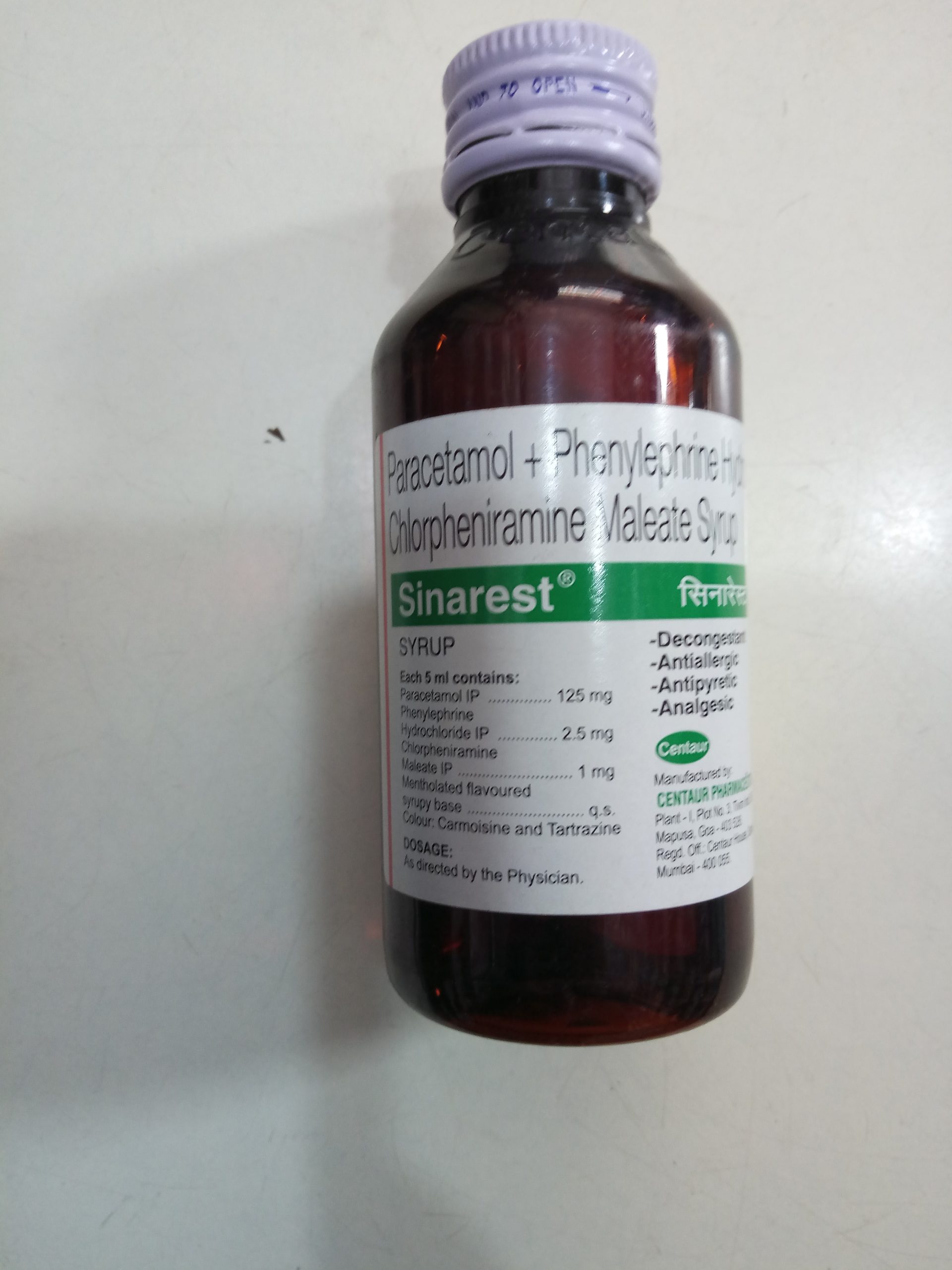
Description
Paracetamol, Phenylephrine Hydrochloride, and Chlorpheniramine Maleate are all active ingredients found in various over-the-counter (OTC) medications used to treat symptoms of cold and flu such as fever, pain, cough, congestion, and runny nose.
Paracetamol is a medication used to treat mild to moderate pain, fever, and inflammation.
Phenylephrine Hydrochloride is a decongestant that works by narrowing the blood vessels in the nasal passages, reducing congestion.
Chlorpheniramine Maleate is an antihistamine that works by blocking the action of histamine, a chemical responsible for causing symptoms such as runny nose, sneezing, and itchy eyes.
Direction of Use:
Medications containing these ingredients can be taken orally, usually in the form of tablets or capsules.
The recommended dosage varies depending on the product, but it is typically between 325mg to 1000mg of paracetamol, 5mg to 10mg of phenylephrine hydrochloride and 2mg to 4mg of Chlorpheniramine Maleate per dose.
It is recommended to follow the instructions on the label of the product.
Contraindication:
People who are allergic to paracetamol, phenylephrine hydrochloride, or chlorpheniramine maleate or any of the other ingredients in the product should not take it.
People with high blood pressure, heart problems, diabetes, thyroid problems, glaucoma, or difficulty urinating should consult a doctor before taking these medications.
People who are taking certain medications such as MAO inhibitors, should not take medications containing these ingredients without consulting a doctor.
Doses and Administration:
The recommended dosage varies depending on the product, but it is typically between 325mg to 1000mg of paracetamol, 5mg to 10mg of phenylephrine hydrochloride and 2mg to 4mg of Chlorpheniramine Maleate per dose.
It is recommended to follow the instructions on the label of the product.
Side Effects:
These medications are generally well tolerated. Some people may experience drowsiness, dry mouth, and other side effects.
In rare cases, an allergic reaction to these medications may occur. Symptoms of an allergic reaction include skin rash, itching, or hives.
Interactions:
These medications may interact with other medications, such as blood pressure medications, antidepressants, and other over-the-counter cold and flu medications.
It is important to inform your doctor of any medications you are currently taking before taking these medications.
Warnings and Precautions:
Do not exceed the recommended dose of these medications.
Avoid drinking alcohol while taking these medications as it can increase the risk of side effects.
Consult your doctor if you are pregnant or breastfeeding before taking these medications.
Keep out of reach of children.

Reviews
There are no reviews yet.