

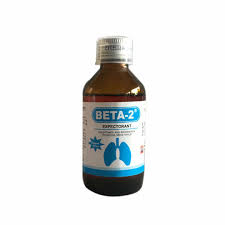
Description
SALBUTAMOL 2MG is a medication used to treat and prevent bronchospasm in conditions such as asthma and chronic obstructive pulmonary disease (COPD). It is a type of bronchodilator that relaxes the muscles in the airways, making it easier to breathe.
Direction of Use: Salbutamol can be taken by inhalation using a nebulizer or an inhaler, as directed by a healthcare provider.
BROMHEXINE HCL 4MG is a medication used to help clear mucus from the lungs and make breathing easier in conditions such as bronchitis, emphysema, and pneumonia. It works by breaking down and thinning mucus, making it easier to cough up.
Direction of Use: Bromhexine HCL should be taken orally as directed by a healthcare provider. It can be taken with or without food but should be taken with a full glass of water.
Contraindication:
SALBUTAMOL: Salbutamol is contraindicated in patients with a known hypersensitivity to salbutamol or any component of the medication.
BROMHEXINE HCL: Bromhexine HCL is contraindicated in patients with a known hypersensitivity to bromhexine or any component of the medication.
Doses and Administration:
SALBUTAMOL: The usual adult oral dosage is 2mg three or four times a day, as needed.
BROMHEXINE HCL: The usual adult oral dosage is 4mg three times a day.
Side Effects:
SALBUTAMOL: Common side effects include headache, trembling, and insomnia.
BROMHEXINE HCL: Common side effects include stomach upset, nausea, and diarrhea.
Interactions:
SALBUTAMOL: Salbutamol may interact with beta-blockers, diuretics, and xanthine derivatives.
BROMHEXINE HCL: Bromhexine HCL may interact with other medications that alter the acidity of the stomach and intestines.
Warnings and Precautions:
SALBUTAMOL: Salbutamol should be used with caution in patients with hypertension, diabetes, and thyroid disorders.
BROMHEXINE HCL: Bromhexine HCL should be used with caution in patients with a history of kidney disease. Consult your healthcare provider if you have any questions or concerns about using these medications.
It is important to follow the healthcare provider’s instructions on how to use the nebulizer or inhaler correctly, as well as the timing of doses. Salbutamol should not be used more often or at higher doses than prescribed.
It is important to complete the full course of treatment as prescribed by the healthcare provider, even if symptoms improve before the medication is finished. Stopping the medication early may lead to the development of antibiotic-resistant bacteria.





Reviews
There are no reviews yet.