

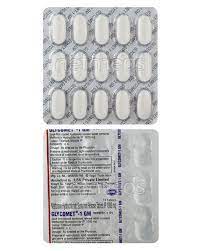
Description
Metformin Hydrochloride is an oral medication used to treat type 2 diabetes. It works by decreasing the amount of glucose produced by the liver and improving the body’s sensitivity to insulin.
Direction of Use:
Metformin Hydrochloride is usually taken with meals. The usual adult starting dose is 500mg once or twice a day, which can be increased based on individual response and tolerability.
Contraindications:
Metformin Hydrochloride is contraindicated in patients with a history of hypersensitivity to metformin or any of its components. Also, it should not be used in patients with renal impairment, metabolic acidosis, or severe infection or trauma.
Doses and Administration:
The usual adult starting dose is 500mg once or twice a day, which can be increased based on individual response and tolerability.
Side Effects:
Common side effects of metformin hydrochloride include diarrhea, nausea and abdominal discomfort. Serious side effects include lactic acidosis and vitamin B12 deficiency.
Interactions:
Metformin hydrochloride may interact with other medications, including insulin, cationic drugs, and alcohol.
Warnings and Precautions:
Metformin hydrochloride can cause serious side effects, including lactic acidosis. Patients should be advised to stop taking the medication and contact a healthcare provider if they experience symptoms of lactic acidosis, such as muscle pain or weakness, numbness or cold feeling in your arms and legs, trouble breathing, stomach pain, nausea with vomiting, slow or uneven heart rate, dizziness, or feeling very weak or tired. It should be used with caution in patients with renal impairment and should be avoided in patients with severe renal impairment or end-stage renal disease. It’s also important for the patients to have regular blood tests to check for potential deficiencies in vitamin B12, as long-term use of metformin can cause a decrease in vitamin B12 levels.





Reviews
There are no reviews yet.