

Description
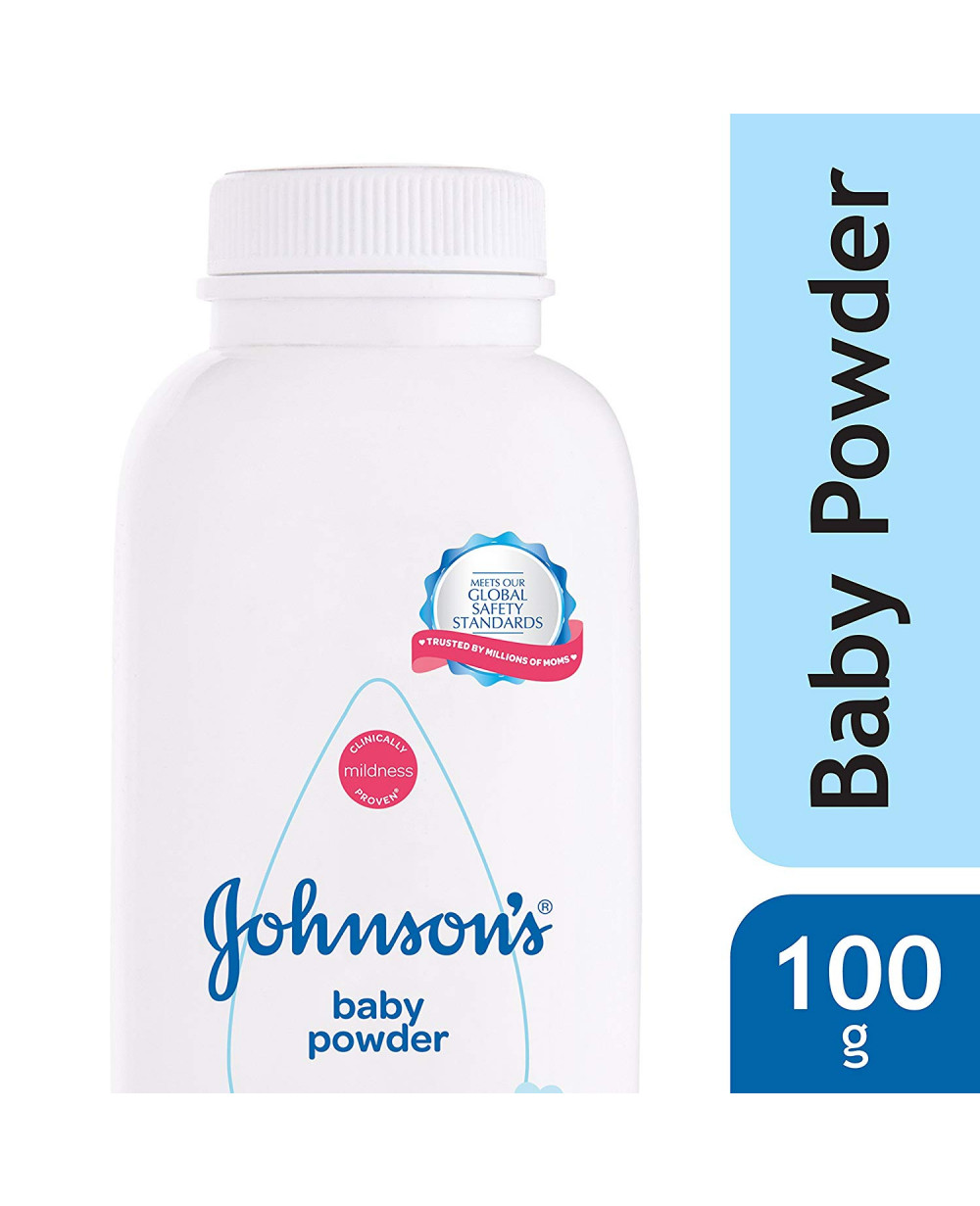
TALC:
Basic description: Talc is a naturally occurring mineral that is commonly used as a powder to absorb moisture and reduce friction.
Direction of use: Talc can be applied to the skin or added to other products as a filler or thickening agent.
Contraindication: Talc should not be used on broken or irritated skin.
Doses and Administration: Talc can be applied as needed.
Side effects: Prolonged use of talc on the genital area has been linked to an increased risk of ovarian cancer.
Interactions: None known.
Warnings and Precautions: Talc should be avoided in the genital area, and talc-containing products should be avoided by women who are pregnant or breastfeeding.
FRAGRANCE:
Basic description: Fragrance is a chemical compound used to add scent to various products.
Direction of use: Fragrance can be found in a wide range of products, including perfumes, colognes, lotions, and cleaning products.
Contraindication: People with sensitive skin or allergies may be more likely to experience negative reactions to fragrances.
Doses and Administration: Follow the instructions on the product label.
Side effects: Some people may experience allergic reactions, such as skin irritation or headaches.
Interactions: None known.
Warnings and Precautions: Fragrances can cause allergic reactions in some people. It is advised to test a small amount of the product on a patch of skin before applying it to a larger area.
SODIUM CITRATE:
Basic description: Sodium citrate is a salt of citric acid that is used as a food and beverage preservative, a pH regulator, and an emulsifier.
Direction of use: Sodium citrate is used as an ingredient in food and beverage products, as well as in pharmaceuticals.
Contraindication: People with kidney disease should avoid consuming high doses of sodium citrate.
Doses and Administration: Follow the instructions on the product label.
Side effects: High doses of sodium citrate may cause kidney damage, high blood pressure, and other health problems.
Interactions: None known.
Warnings and Precautions: People with kidney disease should avoid consuming high doses of sodium citrate.
CITRIC ACID:
Basic description: Citric acid is a weak organic acid that is commonly used as a food and beverage preservative, a pH regulator, and a flavoring agent.
Direction of use: Citric acid can be found in a wide range of products, including food, beverages, and cleaning products.
Contraindication: People with kidney disease should avoid consuming high doses of citric acid.
Doses and Administration: Follow the instructions on the product label.
Side effects: High doses of citric acid may cause kidney damage, high blood pressure, and other health problems.
Interactions: None known.
Warnings and Precautions: People with kidney disease should avoid consuming high doses of citric acid.
Reviews
There are no reviews yet.