

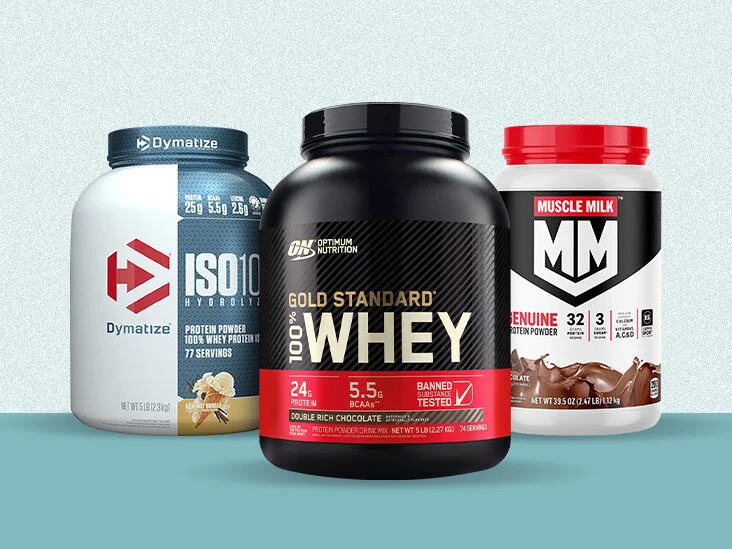
Description
Protein powder is a dietary supplement that is typically made from whey, casein, soy, or pea protein. It is used to increase the daily intake of protein, which is important for building and repairing muscle tissue.
Direction of Use: Protein powder can be mixed with water, milk, or juice to make a shake, or it can be added to food such as oatmeal or yogurt. It is typically consumed before or after exercise, or as a snack or meal replacement.
Contraindication: Protein powder is not recommended for people with kidney or liver disease, or for women who are pregnant or breastfeeding. It is also not recommended for children without medical supervision.
Doses and Administration: The recommended daily intake of protein is about 0.8 grams per kilogram of body weight. A typical serving of protein powder contains 20-30 grams of protein. The amount of protein powder used will depend on the individual’s protein needs and how much protein they are getting from other sources.
Side Effects: Some people may experience stomach discomfort, bloating, or gas after taking protein powder. These symptoms usually go away after a few days of use. Some people may also experience an allergic reaction to the ingredients in the protein powder.
Interactions: Protein powder may interact with certain medications, such as blood thinners. Consult a healthcare professional before using protein powder if you are taking any medications.
Warnings and Precautions: Protein powder is not intended to be a sole source of nutrition. It should be used in conjunction with a healthy diet and regular exercise. It is also important to drink enough water while using protein powder. Excessive protein intake can lead to dehydration.


Reviews
There are no reviews yet.