
Description
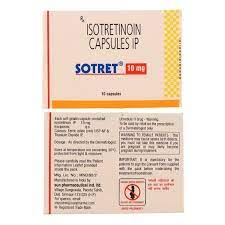
Isotretinoin is a medication used to treat severe acne. It works by reducing the amount of oil produced by the skin and preventing the growth of bacteria that can cause acne.
Direction of Use:
Isotretinoin is typically taken orally, usually once or twice a day, with or without food. It is important to follow the instructions provided by your healthcare provider and to continue taking the medication for the full course of treatment as prescribed.
Contraindication:
Isotretinoin is contraindicated in pregnancy, as it can cause severe birth defects. It is also contraindicated in individuals with a history of allergies to isotretinoin or any of its ingredients.
Doses and Administration:
The recommended starting dose of isotretinoin is 0.5 to 1 mg/kg/day. The dose may be adjusted by your healthcare provider based on response to treatment and side effects.
Side Effects:
Common side effects of isotretinoin include dry skin, chapped lips, and increased sensitivity to the sun. Less common side effects include muscle and joint pain, changes in blood lipid levels, and changes in liver function tests.
Interactions:
Isotretinoin may interact with other medications, such as tetracycline antibiotics, vitamin A supplements, and blood thinners. It is important to inform your healthcare provider of all medications and supplements you are taking before starting isotretinoin.
Warnings and Precautions:
Isotretinoin can cause severe birth defects and should not be used by pregnant women or women who may become pregnant. It is also important to protect skin from the sun and to avoid waxing or other forms of hair removal while taking isotretinoin. Regular monitoring of blood lipid levels and liver function tests may be necessary while taking isotretinoin.
Reviews
There are no reviews yet.