

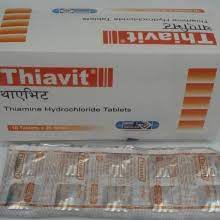
Description
Thiamine, also known as Vitamin B1, is a water-soluble vitamin that plays a critical role in energy metabolism, nerve function, and brain development. It is essential for the proper functioning of the heart, muscles, and nervous system.
Direction of Use:
Thiamine is typically taken orally, either as a single daily dose or in divided doses. The dosage and duration of treatment depend on the condition being treated and the patient’s response to the medication.
Contraindication:
Thiamine is contraindicated in patients with a history of hypersensitivity to the drug.
Doses and Administration:
The recommended adult dose of thiamine is 1.2 mg/day for adult men and women. However, dosage may vary based on individual needs and deficiencies.
Side Effects:
Thiamine is generally well-tolerated. Side effects are rare but may include stomach upset, nausea, or a skin rash.
Interactions:
Thiamine may interact with certain medications, such as antibiotics, and diuretics. It is important to inform your healthcare provider of all medications and supplements you are taking before starting treatment with thiamine.
Warnings and Precautions:
Large doses of thiamine can cause nerve damage. It should not be used in children under 12 years of age without the guidance of a healthcare professional. It is also important to inform your healthcare provider if you have a history of heart disease or high blood pressure before starting treatment with thiamine. Long-term use of high doses of thiamine may lead to nerve damage and other health issues, it’s important to use it under the supervision of a healthcare professional.

Reviews
There are no reviews yet.